
Molecular sieving for industrial gas streams
UniSieve builds membranes from metal-organic frameworks and zeolites in Zurich, then delivers them as containerised systems that recover product, add capacity and capture CO₂. No separation chemicals, no heating or cooling cycles.
Read the operating principleA single pore, schematic. Small molecules pass, larger ones are held back.
$25M raised, incl. a $9M Series A in October 2026
- Orano Venture Fund
- Supernova Invest
- Amadeus APEX
- Founderful
- Zürcher Kantonalbank
- Guenat Holding
1Summary
Separating molecules uses an estimated 10 to 15% of the world's energy, mostly as heat for distillation and solvent regeneration. UniSieve replaces that heat with pressure and a crystal pore sized to the job.
- Founded
- 2018, Zurich
- Origin
- ETH Zurich
- Founders
- Samuel Hess, Elia Schneider
- Materials
- MOFs and zeolites
- Delivery
- Containerised, turnkey
- Units in the field
- 5+ demonstration units
2Operating principle
Feed gas enters a membrane cartridge. A pressure difference drives molecules toward a layer of crystals whose pores are fixed by their structure. Molecules small enough to fit pass through and leave as permeate. The rest stay on the feed side and leave as retentate. Both streams run continuously.
3Figures and baselines
The three numbers on the current website, with the baseline column an engineer will ask for first. Cells marked amber are the ones this concept would ask UniSieve to fill in before launch.
| Figure | Value | Compared with | Where measured |
|---|---|---|---|
| Energy for the separation step | −90% | Thermal separation of the same streamReference process to be named | Site, year, stream to confirm |
| Production capacity of an existing asset | +8% | Same plant before debottlenecking | Plant type and unit to confirm |
| CO₂ captured per year | 25,000 t | Per installed system size | System size to confirm |
4Delivery
Equipment, licence and service are sold as one system. The customer buys an outcome, not a component to de-risk alone.
1
Identify the opportunity
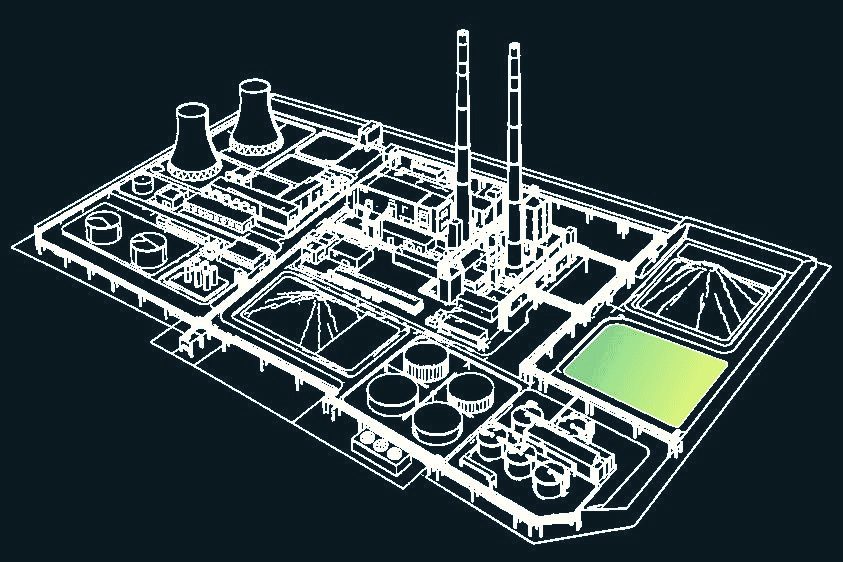
Source, concentration, annual volume and destination of the stream. Viability before hardware.
2
Validate with a pilot
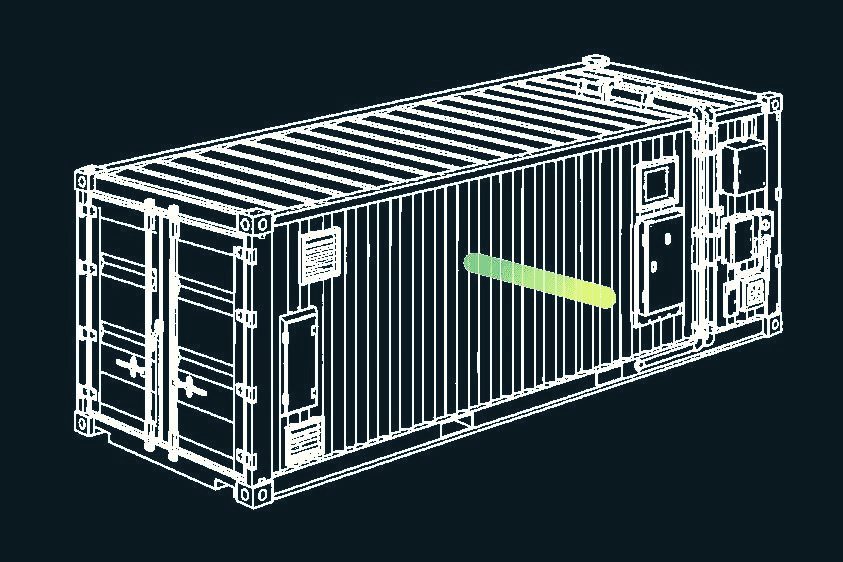
A unit installed on the plant, running on the customer's own gas, producing operating data.
3
Deploy and operate
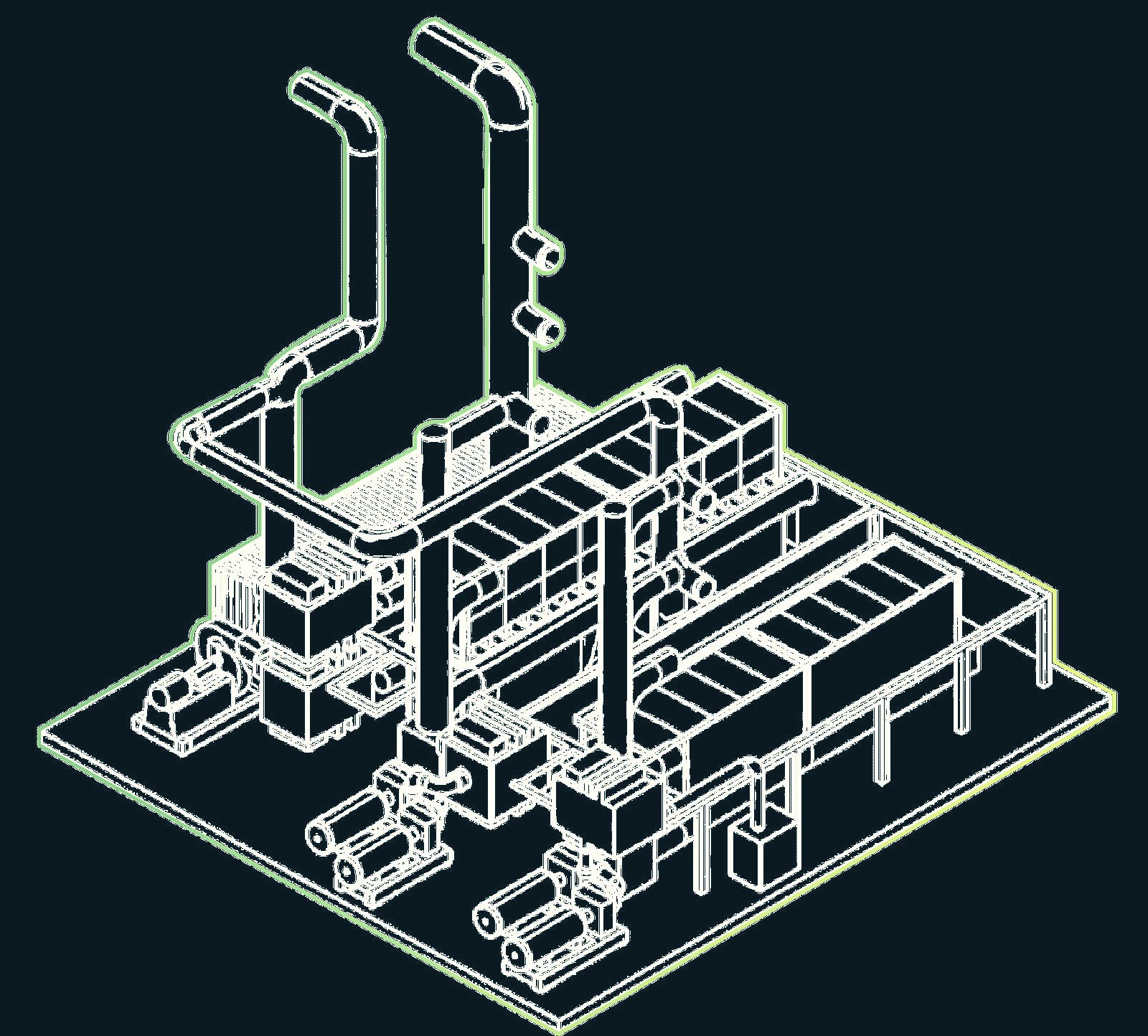
The full system configured for the site, integrated, commissioned and operated on site.
5Applications
One separation platform, tuned by changing the crystal. Three applications are in commercial focus.
| Application | Typical use | Value to the plant | Status |
|---|---|---|---|
| Hydrocarbon separation | Olefin off-gas, flare gas recovery | Product recovered, capacity added | Nearing commercial readiness |
| Carbon capture | Point-source CO₂ from flue gas | CO₂ for use or storage | Live test at Qemetica |
| Specialty gases | Refrigerants, PFAS, semiconductor gases | Emissions controlled, gas reused | Application development |
6Field record
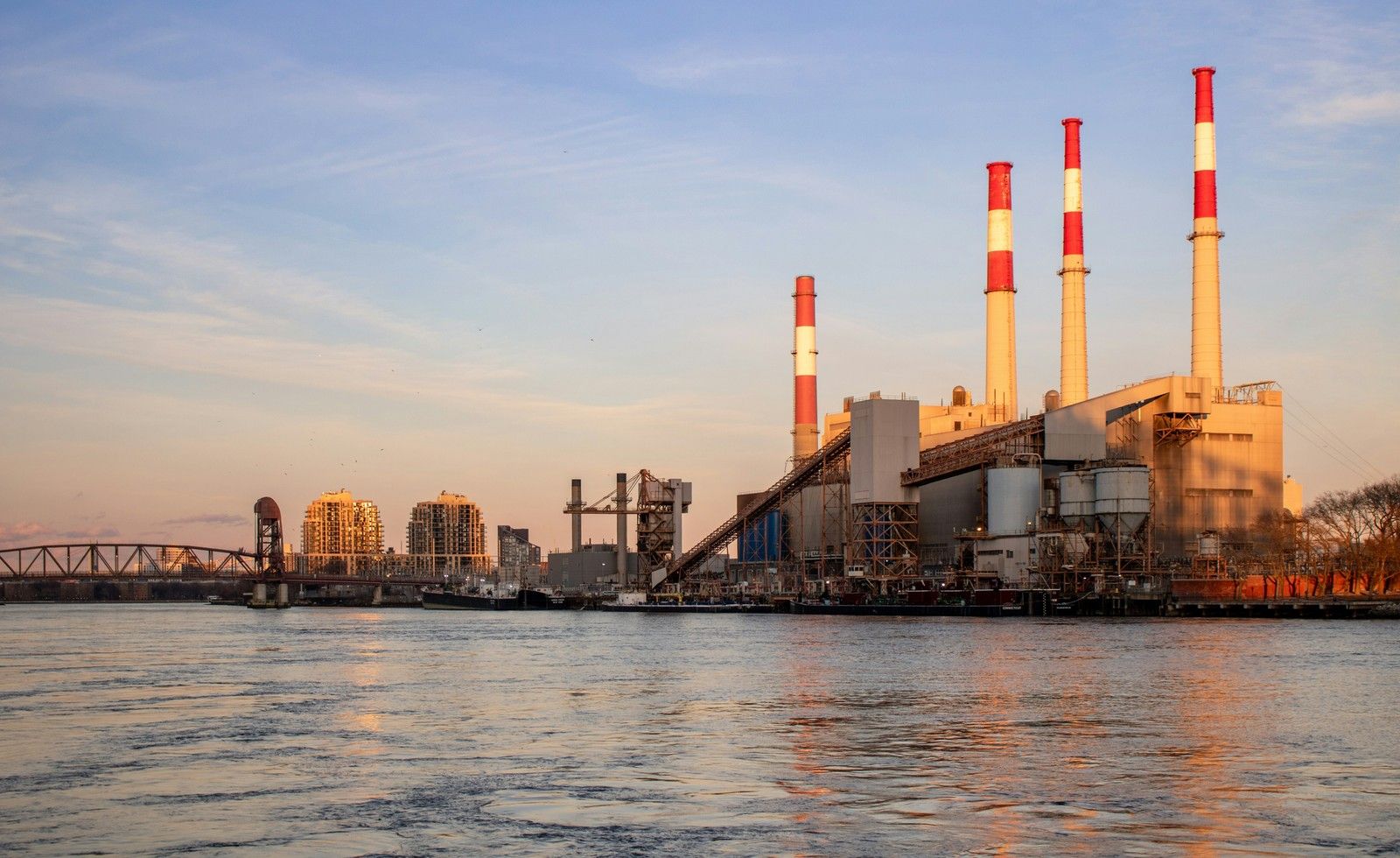
Illustrative photo from the UniSieve website, not the Qemetica site
Qemetica, Poland
Qemetica, formerly CIECH, has started live testing a UniSieve CO₂ capture unit. The captured CO₂ is used on site to make carbonates such as soda ash.
- ApplicationPoint-source carbon capture
- CO₂ routeOn-site use, carbonates
- StageLive test, 2026
Source: Tech Funding News, Oct 2026
Technical data sheet
Membrane principle, system envelope, utilities and the questions we need answered about your stream. Sent by an engineer, not a mailing list.